 5:30
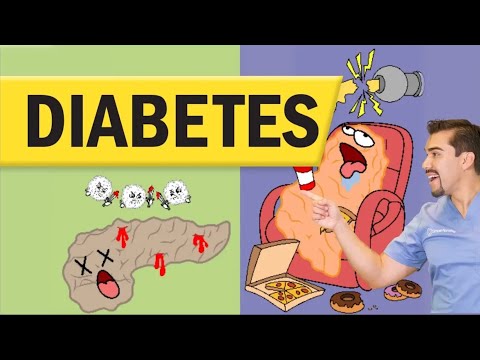
5:30Understanding Diabetes: Type 1 vs Type 2 Explained (Animated CME)
Clear animated explanation of what diabetes is, the autoimmune nature of Type 1 vs insulin resistance in Type 2, and treatment strategies.
 38:00
38:00Diabetes Mellitus Simplified: Type 1 & 2, Symptoms, Nursing Care & NCLEX
Comprehensive breakdown: pathophysiology, risk factors, hyper/hypoglycemia signs, insulin types, oral agents, and diabetic foot care.
 12:00
12:00Diabetes Education Series – Episode 1: Introduction
A certified Diabetes Care and Education Specialist covers the fundamentals for newly diagnosed patients, long-term patients, and caregivers.
 10:45
10:45Diabetes Diet: What to Eat and What to Avoid
Practical nutrition guidance — foods that spike blood sugar vs. foods that keep it stable. Real examples, no jargon.
 1:29:00
Sugar: The Bitter Truth (Full Lecture)
The landmark UCSF lecture by Dr. Robert Lustig exposing how fructose and refined sugar drive insulin resistance, obesity, and Type 2 diabetes.
 1:45:00
The Glucose Expert: Calorie Counting Is Wrong — Here's the Science
A leading glucose researcher explains why blood sugar spikes — not just calories — drive weight gain, T2D, and metabolic disease.
 12:00
12:007 Foods That Lower Blood Sugar Fast
Seven scientifically-backed foods that lower blood sugar, improve insulin sensitivity, and reduce inflammation — with mechanisms explained.
 8:30
8:30How to Check Your Blood Sugar at Home (Step-by-Step)
Step-by-step guide to using a glucometer, understanding readings, when to test, and what the numbers mean.
 7:18
7:18Understanding A1C — What It Means for Your Diabetes
What A1C actually measures, what your target should be, and how to use it alongside daily glucose readings.
 11:20
11:20How Continuous Glucose Monitors (CGM) Work — Dexcom vs Libre
Visual walkthrough of CGM sensor technology, the major devices (Dexcom G7, FreeStyle Libre 3), who should use them, and insurance tips.
 10:02
10:0210-Minute Gentle Exercise for Diabetics (All Fitness Levels)
Low-impact exercises designed to lower blood glucose and improve insulin sensitivity — suitable for any age or fitness level.
 14:00
14:00#1 Exercise for Gestational Diabetes (Prenatal HIIT)
Prenatal HIIT workout specifically designed to control blood sugars and improve insulin sensitivity during pregnancy.
 12:30
12:30Type 2 Diabetes: Can It Be Reversed?
Evidence-based look at whether Type 2 diabetes can be reversed through lifestyle change, weight loss, and diet — and what the research says.
 35:00
35:00Reversing Diabetes — The Roles Medication and Diet Play
A physician breaks down what dietary programs actually reverse T2D vs. just lowering A1C slightly, and why insulin sensitivity is the key.
 8:55
8:55Stress and Blood Sugar: The Hidden Connection
How cortisol and stress hormones directly raise blood glucose — and practical techniques to break the stress-spike cycle.
 14:00
14:00Insulin Explained: Types, Dosing, and Injection Technique
Comprehensive overview of rapid, short, intermediate, and long-acting insulin — proper dosing principles and injection technique.
 9:05
9:05Carb Counting 101 for Diabetes Management
How to count carbohydrates effectively for insulin dosing, practical tips for eating out, and avoiding common mistakes.
 4:30
4:30Gestational Diabetes Explained (Animation)
Animated explanation of how gestational diabetes develops during pregnancy, its risks, and how it's managed with diet, exercise, and insulin.
 15:00
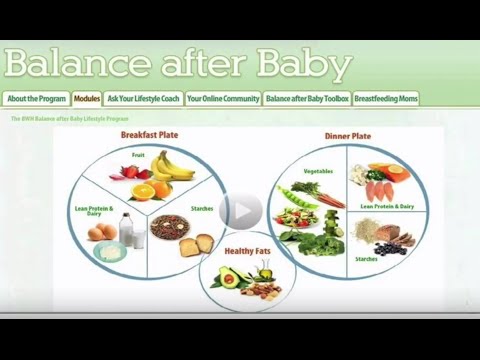
15:00Gestational Diabetes: Managing Risk During & After Pregnancy
Dr. Ellen Seely (Harvard Medical School) on gestational diabetes risks — preeclampsia, macrosomia, and weight management after birth.
 9:15
9:15Kids with Type 1 Diabetes — A Parent's Complete Guide
JDRF guide for parents — school routines, hypoglycemia response, emotional support, and navigating daily life with a child with T1D.
 45:00
45:00How to Lower Blood Sugar and Reverse Your Diabetes
Detailed clinical breakdown of dietary interventions that have been shown in randomised trials to reverse Type 2 diabetes.